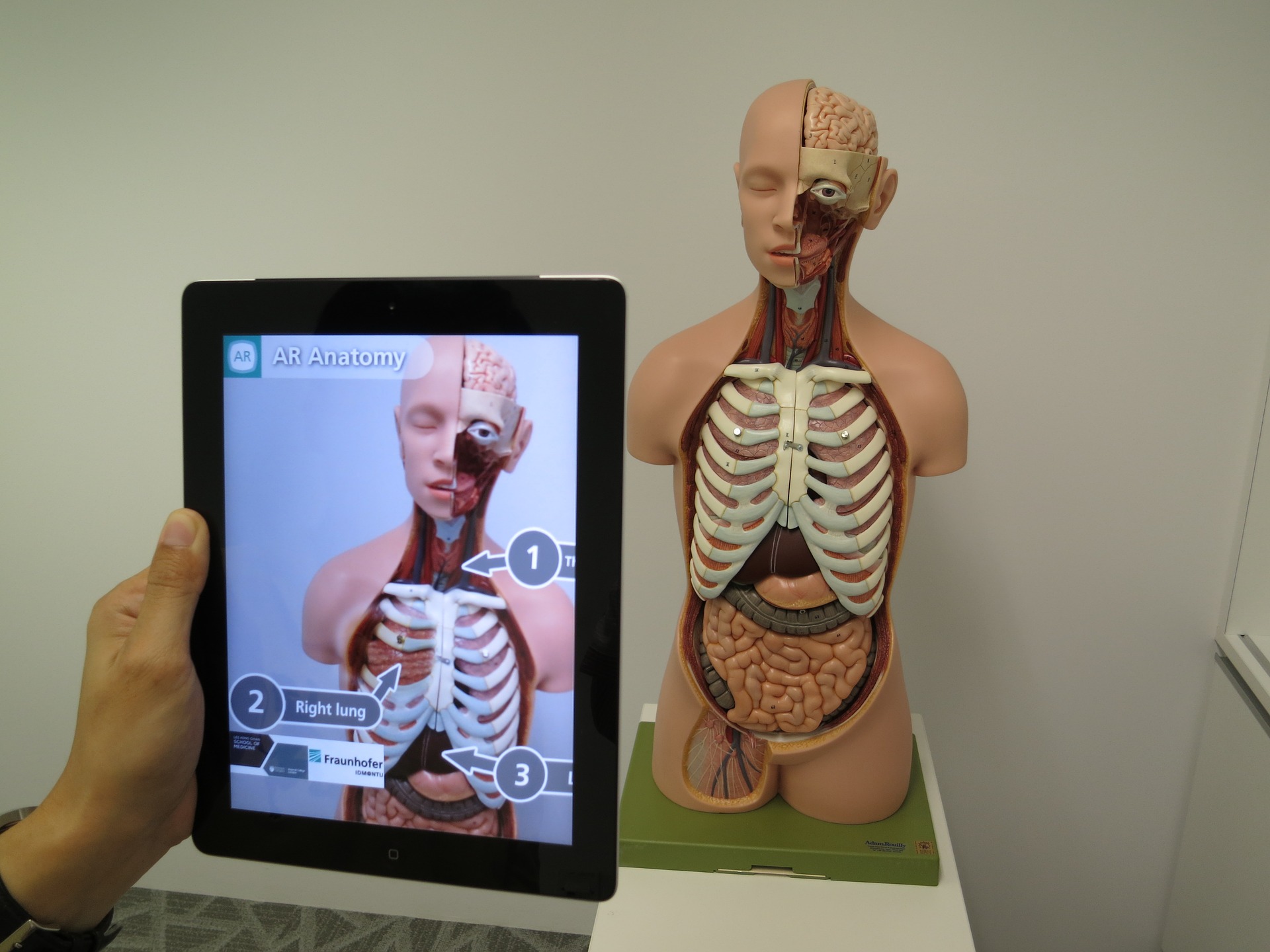
This year’s Forbes digital trends for school’s article featured the five tech trends that writer Daniel Newman calls the top “digital transformation” tools for the coming school year. The items Newman mentions are augmented reality, personalized learning, internet of things, AI and big data, and security.
I have a little bit of experience with augmented reality from different demonstrations, but I have not really seen it incorporated into curriculum in a big way. At this point I see it being used to demonstrate pieces of technology that will soon play a big role in society, but isn’t quite there yet. When Newman talks about personalized learning, he provides the example of a program that allows students to use a speech to text tool that makes it easier for students with disabilities to complete writing assignments online. This is a tool that I have seen in use before, and as the technology advances I see it playing a larger role in schools because of its benefits to students that struggle with language and writing. Before reading this article I was unfamiliar with phrase of internet of things, I am glad I now know the phrase because it is such a popular trend. This will absolutely play a big role in education, both in adding new tools to the classroom, and also added distractions. This is going to be a big part of everyday life though, so incorporating more internet enabled devices in the classroom will give students a chance to get acclimated to how the technology is going to effect their lives outside of school. AI and big data is brought up in this article as a possible means of adjusting the use and necessity of standardized testing. The last tool he mentions is security. Internet security is already an issue in schools, and it will only continue to grow. Any new security technology that comes available is definitely going to be jumped on by schools to protect students.
The other trend that I have noticed, especially in the skilled and technical sciences area, is the use of simulators in the classroom. There are very advanced simulators for welders, flight training, and equipment operating that have been introduced to college and high school programs. The only problem with these simulators is the cost. They are not affordable for most schools without corporate partnerships or grants, but hopefully as the production of these simulators increases, so will the access to them.

 Scott's Education Blog
The simulators sound very interesting. That would be awesome if NW could get a grant or some other funding for technical sciences to have a simulator.
LikeLike